October 14, 2026
Rental Property Renovation Planning in Mesa
By @gilbertbuildguidedigest
Why rental renovations in Mesa feel different than “move-in” projects
Heat, sun exposure, and the wear pattern you can plan for
In Mesa, tenants do not treat a rental like a showroom. The sun does not either. Window coverings fade, paint cycles faster, and finishes that look fine in winter can show wear quickly once the summer heat is pounding. When you plan a renovation, you want to renovate for the real traffic and the real environment.
A practical example: a common “cheap fix” is repainting cabinets or adding fresh paint to a living room after a tenant moves out. If the original finish is failing because of sun exposure and airflow patterns, you can repaint and still see the same problem return sooner than you expected. A better approach is to correct the underlying conditions, then match the finish system to the exposure level. That is not glamorous planning, but it is the difference between a renovation that lasts and one that keeps getting re-done.
Tenant turnover is its own timeline, not an afterthought
Most rental renovations need to happen around move-out dates, cleaning crews, and the next leasing schedule. That pushes you into tighter sequencing. If you plan the job like a long vacation home remodel, you will lose time, and time usually turns into money fast.
I like to start by asking landlords two questions. First, how quickly do you need the unit back on the market? Second, who is making decisions while the unit is open? If the answers are vague, the project tends to stall during selections and approvals. In rental work, “we will choose later” often turns into “we are still waiting” while contractors are ready to progress.
Property condition affects risk, not just aesthetics
Rental projects can start as a cosmetic refresh, then drift into structural repairs, electrical upgrades, or moisture correction once walls open up. In Mesa homes, you often run into issues that were manageable for years but become urgent when you start touching finished surfaces.
The best planning mindset is simple: assume you will find a few surprises, then build a process that keeps those surprises from derailing the entire schedule.
Setting goals landlords can actually fund
Make the renovation match the rental strategy, not your personal taste
“Renovate everything” is rarely the right plan. Some landlords want to maximize rent, others want to reduce maintenance callbacks, and many want a balance that keeps the unit easy to lease and easy to manage.
Start by clarifying your strategy in plain language. If your goal is to attract better long-term tenants, you can prioritize durable flooring, good lighting, and kitchen upgrades that reduce daily annoyance. If your goal is to lower maintenance, the smartest investment is often moisture management, ventilation, and practical durability, even if it is not as visually dramatic.
Define success using numbers you can defend
A renovation should have a measurable outcome. In rentals, “it looks nice” is not enough. You want clarity like reduced service calls for plumbing, fewer flooring replacements over time, or improved rental readiness for faster turnovers.
For example, if your unit consistently takes a long time to turn over because of damaged flooring and painting delays, the success metric is not “beautiful finishes.” The metric is “the unit is ready in X days after move-out.” That leads you to pick systems that are faster to install, easier to maintain, and less sensitive to timing and humidity swings during construction.
Plan for the budget realities of Mesa construction
Budgets get strained when owners want both premium finishes and fast timelines. The trade-off is not just cost, it is also how predictable the schedule is. Higher-end custom millwork can be worth it, but only if you can commit to the lead times and decisions it requires.
As a remodeling contractor mindset, I encourage landlords to think in priorities, not perfection. If you cannot fund a complete upgrade in one cycle, you can still create a phased plan that protects the parts of the home that drive long-term costs.
The pre-construction planning step that prevents rental chaos
Use a planning-first process, especially when the unit is occupied or scheduled tight
Rental renovations are unforgiving because the unit must be available for leasing. Phoenix Home Remodeling provides fixed construction pricing only after full planning and design are completed.
That sentence matters in practice because pricing after planning is how you avoid the slow drift of “we changed our minds” and “we need to add this.” When decisions are finalized early, you can estimate labor, materials, and sequencing with less guesswork. You also reduce the risk that one missing selection causes the crew to pause for days.
Build a decision calendar for selections and approvals
A surprising number of delays come from something simple: the selection is not made yet. In a rental setting, the selection list is usually longer because you are balancing durability, cleaning, and tenant preference.
A decision calendar keeps it controlled. You can set target dates for flooring selection, paint finish, fixture approvals, and hardware choices. If you know your leasing schedule, you can also align approvals to the time you need the unit opened and closed.
Identify hidden work early, before drywall and cabinets get removed
The planning stage is when you decide how you will handle unknowns. You do not need to predict every issue, but you do need a strategy for what happens when you open up a wall and find rot, outdated wiring, or a plumbing leak.
A lived-in approach looks like this: you inspect and document as much as you can, then you plan for categories of potential work. That way, when something shows up, you respond quickly instead of debating scope in real time while the unit sits open.
Kitchen and bath planning that tenants notice, but don’t destroy
Kitchens: choose upgrades that survive daily life
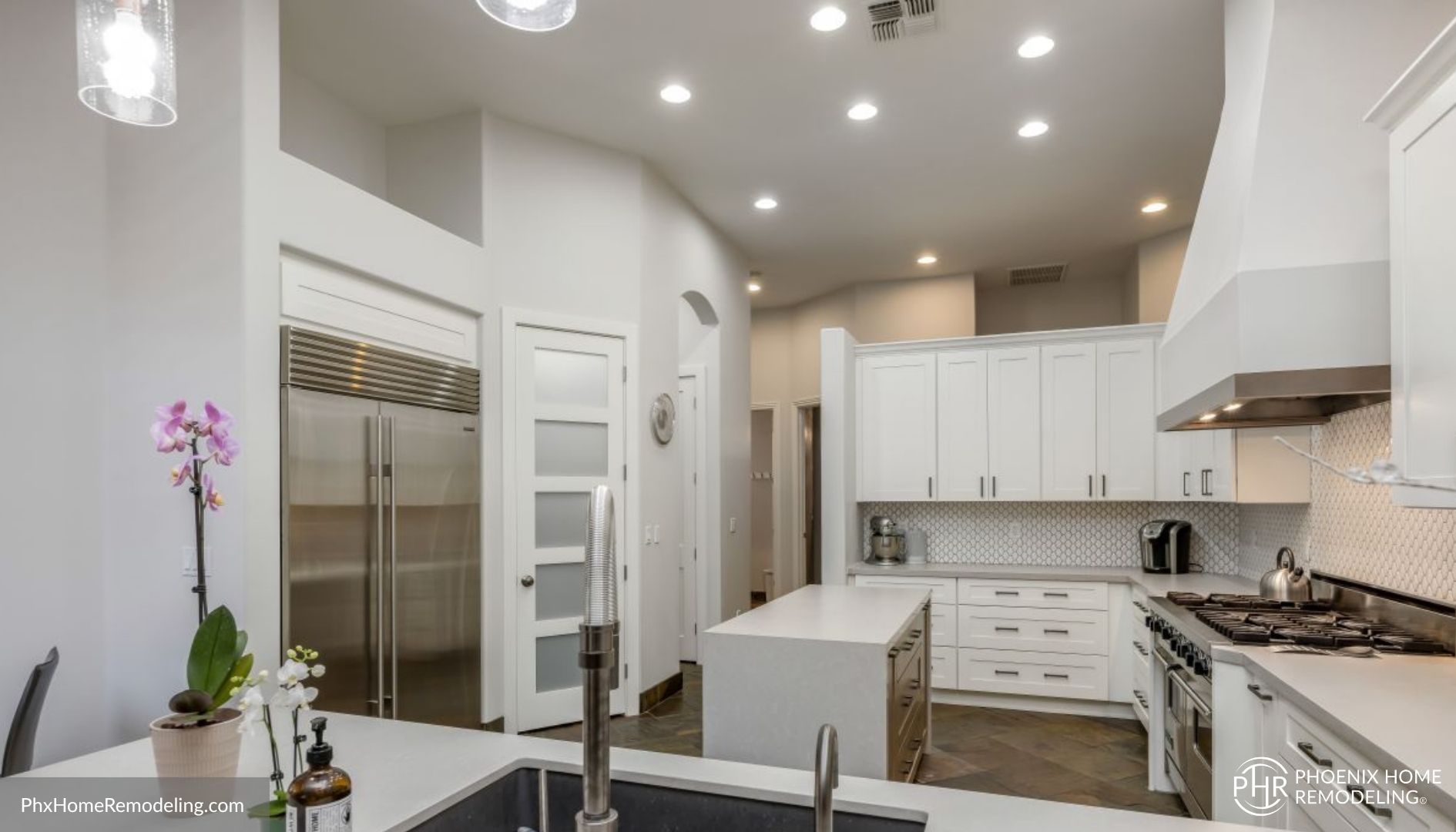
Kitchens are the most frequent “wow” space, and they are also the most abused by daily use. Planning for rental kitchens in Mesa means selecting finishes that tolerate moisture, grease, and faster wear cycles.
Instead of only chasing appearance, plan for touch points. Countertops need to be practical for wiping and cleaning. Cabinet surfaces must handle frequent contact without showing damage immediately. Hardware choices should consider how easily they can be replaced if a tenant eventually wears them out.
If you are trying to improve durability without going fully premium, you can often get a lot of longevity by focusing on the foundation first. That usually means addressing the plumbing layout, ventilation, and the cabinet installation quality that prevents sagging and misalignment.
Bathrooms: the real win is moisture management
A rental bathroom renovation is less about “pretty tile” and more about how water is handled behind the walls. Tenants notice if a shower feels solid and drains well, but they rarely notice the waterproofing system until something fails. Your planning job is to prevent that failure.
Planning also includes ventilation because it affects paint life, mirror fogging, odor control, and the bathroom drying cycle. In Mesa’s climate, ventilation and humidity control matter because bathrooms can stay damp longer when the home is not drying the way you expect.
Fixtures and lighting for fast maintenance
In rentals, maintenance visits are a certainty. Plan fixtures for reasonable access, and plan lighting for real use. A good lighting plan prevents complaints about dim areas, and it helps maintenance troubleshoot faster.
A practical example: if you renovate the bathroom and change the lighting, you want to make sure switches and fan controls are easy for a tenant to understand and for maintenance techs to diagnose. That is a small planning detail that avoids confusion later.
Flooring, paint, and “tenant proofing” without making the unit feel institutional
Durable finishes, chosen with realistic cleaning habits in mind
There is a difference between durable and harsh. Tenants want a home that feels normal. They also want it to stay clean without constant repainting or re-flooring.
Your job is to select finishes that work with real cleaning, not just showroom maintenance. For example, choosing a paint finish that is too delicate can lead to constant touch-ups. Choosing a floor product that is too high maintenance can turn normal wear into a maintenance schedule you did not budget for.
Trade-off thinking helps. You might spend a bit more on flooring that resists dents, but then save money on repainting and subfloor repairs. Or you might invest in better surface preparation so the new paint does not peel early.
Wall protection and transitions, because edges take the hit
The corners and edges are where rental wear starts to show. Doorways get scuffed. Baseboards get kicked. Floor transitions Mesa remodeling contractor take impacts when tenants move furniture.
Planning for that means thinking about details, not just material. It also means planning the replacement approach. If a tenant damages one area, can maintenance replace a section cleanly? If repairs require pulling the whole floor, your costs escalate.
HVAC and air circulation affect finish life
HVAC performance is easy to overlook, but it influences how surfaces age. When air circulation is poor, you can get inconsistent drying. That impacts paint longevity, grout performance, and how quickly bathrooms recover after use.
When you plan a renovation, you do not need to redesign the whole HVAC system, but you should confirm it is functioning. If there is a known issue, address it during renovation rather than after.
Permits, inspections, and schedule realities in Mesa
Know what needs permits before you start opening walls
Not every repair requires a permit, but many renovation scopes do. Plumbing changes, electrical work, moving walls, and certain structural modifications can trigger permit requirements. If you start demo without understanding the permit path, you can create costly delays or redo work to pass inspection.
A careful planning approach includes a permit checklist based on your scope. That is especially important for rental properties where you want a clean paper trail for insurance and future sales.
Build inspections into the schedule, not into your hope
Inspections require coordination. Sometimes the inspection window is predictable, sometimes it is not. Your schedule should account for the possibility of waiting between phases.
A real-world example: if you plan to rough-in plumbing and electrical and then close walls the next day, you may be surprised by inspection timing. Planning that allows for waiting keeps your work from getting trapped in an in-between state.
Avoid the “rush to close” trap
For landlords, there is always pressure to close walls fast so the unit can be shown or leased. The trade-off is that rushing can skip correction steps when something fails inspection or when materials are installed slightly off.
When your renovation depends on approvals, you want a schedule that is steady. That steadiness often looks like better organization on site, fewer re-dos, and smoother communication.
Communicating with tenants, managing the handoff, and preventing repeat issues
Give tenants clear expectations when access is needed
If a unit is occupied, communication becomes a construction tool. Tenants do not need a play-by-play of every trade, but they do need to understand what will happen, when access is required, and how noise and dust are handled.
In a rental, the tenant relationship affects the project duration. If the tenant feels blindsided, they may limit access or create delays. If they feel respected and informed, you can often keep the schedule on track.
Use a handoff checklist for landlords and maintenance
After the renovation, you want a clean handoff. Landlords need to know what was changed, what maintenance is recommended, and what parts might need periodic attention.
A handoff checklist also helps when a new property manager takes over. It reduces the chance that someone calls for a repair because they do not understand how a new fixture is supposed to operate.
Plan for the “first tenant after renovation” reality
The first tenant after a renovation can be both your best outcome and your biggest test. They might be excited and careful, or they might move in quickly and treat the unit like a temporary stop.
Planning for that includes choosing finishes that handle normal life and documenting any warranties or product specifications you have. It also includes understanding what to expect in the first weeks, like minor settling, sealant cure times, or how quickly walls reflect wear depending on cleaning habits.
Budgeting for rentals, including contingency without losing control
Contingency is not a magic number, it is a method
Every renovation needs contingency, especially in rentals where the condition is often partially unknown until demo. But contingency should not feel like a blank check.
You can manage contingency by defining what it is for: hidden moisture, outdated wiring discovered during electrical work, or unexpected subfloor repairs once flooring is removed. That turns contingency into a controlled reserve rather than an excuse for uncontrolled scope creep.
Phasing can protect cash flow while still improving the unit
If you own multiple Mesa units, phasing can be a smart way to distribute costs and minimize vacancy disruption. For one unit, you might prioritize moisture management and flooring. For another, you might focus on a kitchen refresh and deferred cosmetic repainting later.
The key is not just delaying work, it is choosing what preserves the home’s performance and what can safely wait. A remodeling contractor approach is to tie the sequence to wear patterns and risk level, not to preference.
Keep the schedule aligned with leasing, not with contractor calendars
If your lease turnover requires a tight timeline, you need to plan around it. Some materials have lead times, and some home-improvement-contractor-mesa-2.b-cdn.net projects require curing periods. The schedule should respect those realities remodel consultations at Phoenix Home Remodeling so you can hit the dates that matter to your leasing plan.
If the schedule does not align, you can end up with a partially completed unit, delays in showing, and a vacancy period that costs more than you expected. In rental work, the schedule is part of the budget, not separate from it.
Choosing the right remodeling contractor for Mesa rental work
Look for process, not just price
A rental renovation is a planning-heavy project. The best remodeling contractor for Mesa rental work is the one who can explain the process clearly, document decisions, and coordinate the trades with fewer surprises.
Ask how they handle pre-construction planning, selections, and scope definition. You want a contractor who treats unknowns as a structured part of the job, not as a reason to improvise once the unit is open.
Confirm communication habits before the demo day
Good communication is not “we will call you.” It is how often updates happen, how issues are documented, and who makes the final call when something changes.
If you have multiple stakeholders, like an owner and a property manager, you need clarity on who approves what. That prevents the classic rental problem where work stops because nobody knows who has authority to decide.
Verify scope clarity for rental-specific needs
Rental work has specific requirements: durable finishes, easy maintenance, and realistic handoff. Make sure your scope includes those priorities. It is also important to clarify what is included and what is not, such as haul-off, patch and paint boundaries, and how minor repairs are handled.
When scope is clear, the renovation feels calm even when the unit is under pressure.
If you are planning a rental renovation in Mesa and you want the unit back on the market fast without sacrificing durability, start with planning. Get the selections locked, understand the permit path, and build the schedule around inspection and curing realities. That is how you protect your investment and keep your tenants from becoming accidental construction managers.
❧